
Loading...
Serving Poway, CA and surrounding areas. (858) 726-5009
Rapid Poway Tree Services is the tree service El Cajon homeowners call for emergency tree response, tree removal, and trimming throughout this inland San Diego city. We have served East County properties since 2020 and are state-licensed, fully insured, and available 24/7.
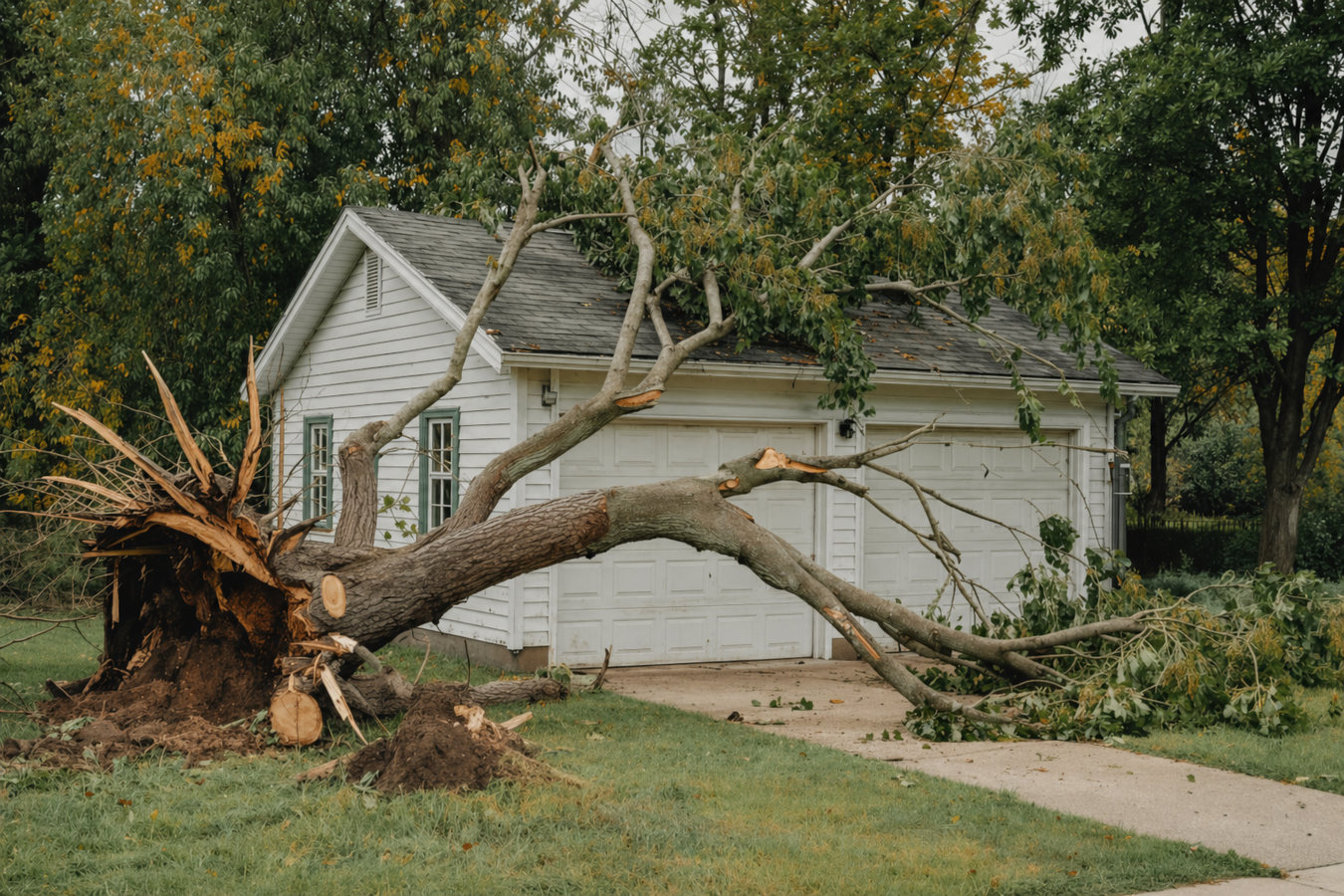
El Cajon sits in the East County wind corridor where Santa Ana events can knock down trees and large branches with little warning. When a downed tree blocks your driveway or damages your roof, our emergency tree service responds 24/7 to make your property safe again.
El Cajon has a large share of mid-century homes where mature trees have grown very close to structures over 50 to 70 years. Many of these trees are now a liability rather than an asset, and removing them before a Santa Ana wind season is the practical move.
The hot, dry El Cajon summers put stress on trees, and overextended branches that go untrimmed through the dry season are the ones most likely to snap under wind load. Regular trimming reduces that risk before conditions deteriorate in late summer.
El Cajon properties on hillside lots often have trees with uneven growth caused by slope angle and seasonal wind load. Structural pruning corrects those imbalances before they create a failure point in the canopy, especially important heading into wind season.
On El Cajon properties with clay-heavy valley floor soils, old stumps and their root systems continue to shift as the soil expands and contracts through the wet and dry cycle. Grinding removes the stump cleanly so that movement stops and you can use the space.
Full stump and root extraction is the right choice on El Cajon properties where replanting is planned or where an encroaching root system has been damaging a concrete driveway or walkway - a common issue in homes built in the 1960s and 1970s with older flatwork.
El Cajon is a fully built-out inland city with a housing stock dominated by single-family homes from the 1950s through the 1980s. That means mature trees - many of them planted when those homes were new - that have had five to seven decades to grow into structures, driveways, and fences. The city sits in a valley that collects heat in summer and channels wind during Santa Ana events, so the stress on trees here is more intense than what you see closer to the coast. Daytime highs regularly exceed 90 degrees Fahrenheit and push past 100 during heat waves, which dries out wood and puts the root systems of stressed trees at a disadvantage.
The valley floor soils in El Cajon include clay-heavy layers that absorb water during winter rains and then shrink back during the long dry season. That repeated swelling-and-shrinking cycle puts mechanical stress on root systems and fence posts year after year. Hillside lots on the edges of the valley have their own challenges: sloped terrain means falling trees and branches travel farther, access for equipment is harder, and drainage problems compound after heavy winter storms. The edges of El Cajon also border hillside and canyon areas that carry real wildfire risk during Santa Ana wind conditions, which makes tree maintenance a genuine safety concern rather than just a cosmetic one.
Our crew works throughout El Cajon regularly, and we understand the local conditions that affect tree service work here. The city runs through the City of El Cajon for tree ordinance questions and permitting, and we know which jobs require checking with the city before a crew arrives. We also know the difference between what the flat valley floor addresses need versus the hillside lots on the edges of town, where equipment access changes the job entirely.
Interstate 8 runs east-west through El Cajon and is our main corridor for reaching properties across the city quickly. State Route 67 heads north toward Santee from El Cajon Boulevard, and most of our East County work moves along these routes. Whether your property is near Gillespie Field and the commercial areas on the north side, or in one of the quieter residential neighborhoods off Magnolia Avenue and Fletcher Parkway, we know El Cajon well enough to get there efficiently and to understand what kind of lot we are working on before we pull in.
El Cajon borders La Mesa to the west, where the housing stock and tree species are similar but the terrain flattens out. We also serve Santee directly to the north, where canyon-adjacent lots and wind exposure are much the same as in El Cajon's hillside neighborhoods. Knowing both sides of those city lines helps us show up prepared for the specific conditions on your lot.
Reach us by phone or through the contact form with the tree location and what you are concerned about. For emergency situations we respond immediately; for scheduled work we reply within 1 business day and arrange an on-site visit within a few days.
An arborist visits your El Cajon property, walks the site, and evaluates each tree in question. This is where we discuss cost, what is included in the price - debris hauling, stump grinding, cleanup - and whether a city permit or HOA approval is needed before work can begin.
We arrive with equipment matched to your specific property - ropes and rigging for trees near structures, appropriate gear for hillside access if needed, and a chipper for debris. The crew works methodically and cleans up throughout the job, not just at the end.
Before the crew packs up, we walk the property with you to confirm the work matches the written estimate - all debris removed, no damage to fencing or irrigation, and the job done to your satisfaction. Nothing is signed off until you have seen it.
We serve all of El Cajon - from the valley floor to the hillside lots on the edges of town. No travel fees, no pressure, just a clear written estimate.
(858) 726-5009El Cajon is a mid-sized inland city of roughly 100,000 people in the East County region of San Diego County, sitting in a broad valley about 15 miles east of downtown San Diego. The city is densely built out with a mix of single-family neighborhoods, commercial corridors along El Cajon Boulevard and Magnolia Avenue, and light industrial areas near Gillespie Field, a county-operated general aviation airport on the north side of town. The residential character ranges from older bungalows and ranch-style homes near downtown to larger hillside properties on the sloping edges of the valley.
Most of El Cajon's housing stock dates from the 1950s through the 1980s, and the property types vary significantly across the city: flat valley floor lots near the city center, sloped hillside parcels with retaining walls and terraced yards, and apartment-dense blocks closer to the commercial corridors. The city is home to a diverse and long-established community, including one of the largest Iraqi and Chaldean populations in the United States. Nearby communities we also serve include Santee to the north and La Mesa to the west - both bordering El Cajon and facing many of the same inland climate and soil conditions.
Call us today or submit a request online - we cover all of El Cajon and respond within 1 business day for scheduled work, and immediately for emergencies.